FitnessGram PACER Test: Complete Guide To Health-related Fitness Assessment

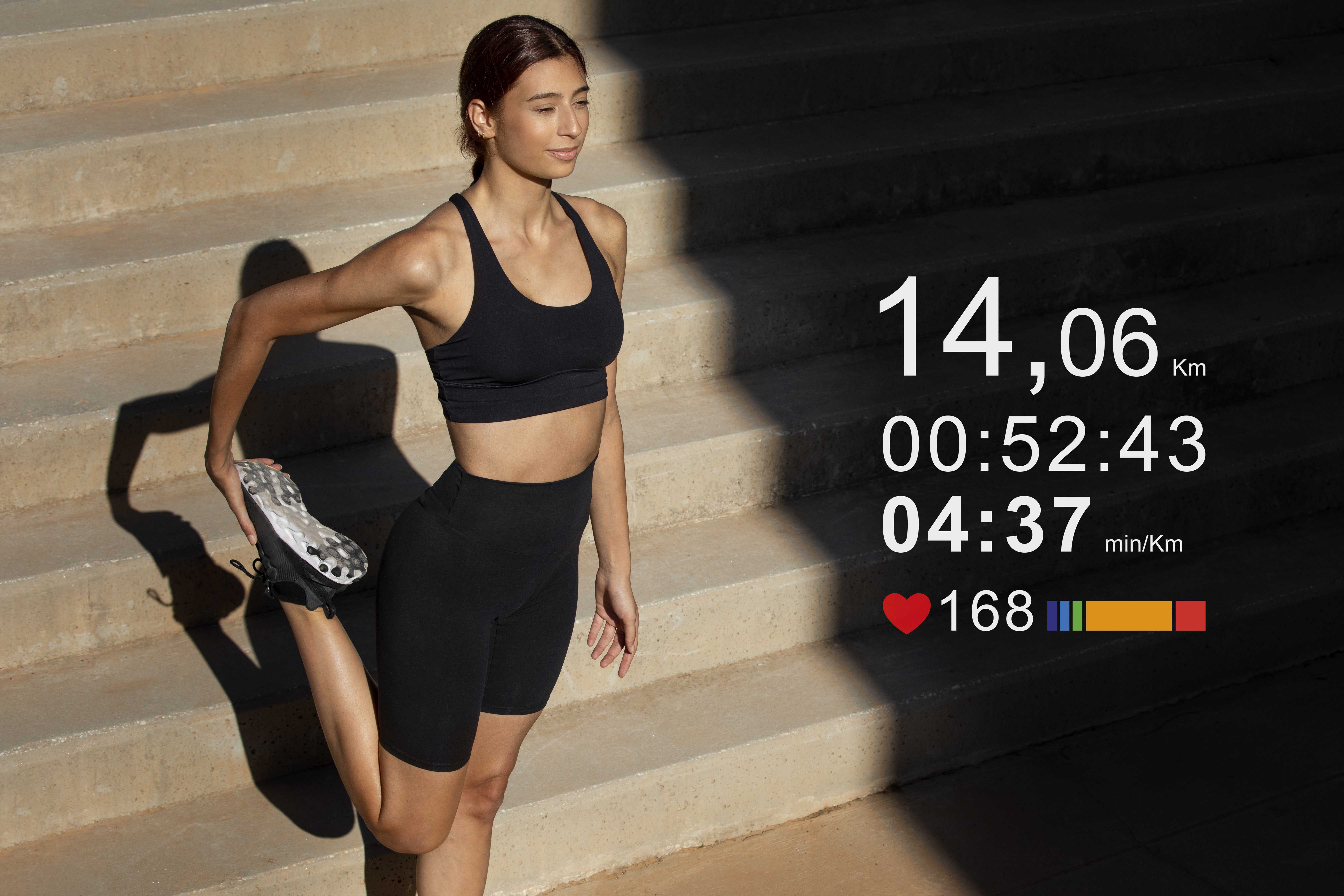
The FitnessGram PACER Test (Progressive Aerobic Cardiovascular Endurance Run) is a widely used school-based fitness assessment designed to measure aerobic capacity and cardiovascular endurance in children and adolescents. As part of the broader FITNESSGRAM® health-related fitness assessment, the PACER test helps students, teachers, and parents better understand physical fitness levels linked to long-term health.
Unlike traditional running tests, the PACER test is progressive, inclusive, and motivational, making it suitable for students of all ages and fitness abilities.
What Is the FitnessGram PACER Test?
The FitnessGram PACER Test is a multistage aerobic fitness test performed over a 20-meter distance. Students run back and forth between two lines, matching their pace to timed audio signals. The test begins at a slow speed and becomes increasingly challenging as the pace accelerates with each level.
Each beep signals the completion of one lap. The test ends when the student can no longer reach the line before the beep. This format allows participants to work at their own level while safely pushing their cardiovascular limits.
Key benefits of the PACER test include:
- Gradual pace progression
- Reduced pressure compared to timed distance runs
- Increased engagement through music and rhythm
- Accurate measurement of aerobic capacity
Overview of the FITNESSGRAM Program
FITNESSGRAM® is a comprehensive physical fitness assessment system designed to evaluate health-related fitness components, not athletic performance. Its primary objective is to help students develop awareness of their physical health while encouraging lifelong physical activity.
The program also serves as a communication tool between schools, teachers, students, and parents, offering clear reports that explain fitness levels using scientifically developed health standards.
Effectiveness of FITNESSGRAM compared to Traditional Fitness Tests
FITNESSGRAM stands apart from other fitness assessments for several important reasons:
Health-Based Standards Instead of Competition
Rather than comparing students to national averages or classmates, FITNESSGRAM evaluates performance against health fitness zones that represent optimal well-being.
Focus on Health-Related Fitness
The assessment emphasizes:
- Cardiovascular endurance
- Muscular strength and endurance
- Flexibility
This ensures inclusivity and relevance to overall health rather than sport-specific skills.
Personalized Feedback and Goal Setting
FITNESSGRAM provides individualized reports and activity recommendations, allowing students to focus on improvement areas and build healthy habits over time.
FITNESSGRAM Assessment Philosophy
The FITNESSGRAM assessment is designed as a fitness-for-health model, not a competitive ranking system. Each test item measures an aspect of physical health that contributes to disease prevention, posture, mobility, and daily functioning.
Students are assessed using age- and gender-specific standards, ensuring fairness and accuracy while promoting confidence and motivation.
What is FITNESSGRAM used for?
The FITNESSGRAM program is used to:
- Assess student fitness levels
- Teach fitness concepts
- Promote self-awareness and responsibility
- Track progress over time
- Encourage lifelong physical activity
Schools often administer the assessment more than once per academic year, allowing students to compare results and observe improvements.
How students and parents understand fitness results
Each student receives a computer-generated FITNESSGRAM report that clearly outlines performance in each fitness area. These reports are designed as educational tools rather than pass-or-fail evaluations.
Students analyze their results, identify strengths, and set short-term and long-term fitness goals. Parents can use the report to support healthy routines and reinforce positive behaviors at home.
Fitness Areas tested in FITNESSGRAM
Cardiovascular Endurance
Progressive Aerobic Cardiovascular Endurance Run (PACER)
The PACER test measures aerobic capacity through a progressive shuttle run. It starts at an easy pace and gradually increases in intensity, allowing students to perform to their maximum ability in a safe and structured way.
This test is suitable for all age groups and is considered a reliable alternative to traditional distance running assessments.
Muscular Strength and Endurance
Curl-Up Test
The curl-up test measures abdominal strength and endurance using a controlled pace and a maximum of 75 repetitions. It minimizes spinal compression and reduces reliance on hip flexor muscles, promoting safe movement and proper posture.
Push-Up Test
Upper body strength and endurance are assessed through push-ups performed at a fixed cadence. Proper form, full arm extension, and a 90-degree elbow angle are required. The test ends if form or pace cannot be maintained.
Flexibility
Trunk Lift Test
This test evaluates trunk extensor strength and flexibility, which are essential for spinal alignment and lower back health. Students lift their upper body slowly from a prone position, with a safe maximum height of 12 inches.
Back-Saver Sit and Reach Test
This test assesses hamstring flexibility by testing each leg separately. Proper hamstring flexibility supports pelvic alignment, posture, and ease of movement while reducing injury risk.
Shoulder Stretch Test
The shoulder stretch test measures upper body flexibility and highlights the importance of maintaining joint mobility throughout the body.
Benefits of FITNESSGRAM for schools and students
- Promotes lifelong health and physical activity
- Encourages goal setting and self-assessment
- Provides clear, actionable feedback
- Supports parental involvement
- Aligns with modern physical education standards
The FitnessGram PACER Test and FITNESSGRAM assessment program provide a scientifically validated, student-centered approach to physical fitness evaluation. By focusing on health rather than competition, the program empowers students to understand their bodies, set achievable goals, and build habits that support long-term well-being.
For schools, parents, and educators, FITNESSGRAM remains one of the most effective tools for promoting healthy, active lifestyles in children and adolescents.
Author Bio
The Editorial staff includes content researchers from various areas of knowledge. They add a plethora of expertise to the Hubslides Editorial team. They constantly and frequently oversee, produce and evaluate contents that are most ideal to aid impacting knowledge to readers.
Article Comments
No Comments!
At present there are zero comments on this article.
Why not be the first to make a comment?
Similar Articles
Sponsor
Search Articles

Experts Column
Latest Articles
Featured Articles








Most Popular Articles