Financial Planning For Small Businesses


Financial planning is the backbone of every successful small business. Whether you're launching a startup or scaling an existing operation, a well-crafted financial strategy helps ensure sustainability, reduce risk, and fuel growth.
In today’s volatile economic environment, small businesses that understand and manage their finances effectively are far better positioned to survive and thrive.

This article walks through the essential steps and tools small businesses need to master financial planning in 2025.
1. Set Clear Financial Goals
Before crunching numbers, it’s important to define what you want to achieve financially.
Examples of Goals:
- Increase monthly revenue by 20% over the next 12 months.
- Reduce operational expenses by 10% in Q3.
- Build an emergency fund equal to 3 months of operating expenses.
Clear, measurable goals give your business direction and help evaluate your financial health over time.
2. Create a Budget—and Stick to It
Budgeting is the cornerstone of financial planning. It helps you control cash flow, prepare for lean months, and avoid unnecessary debt.
Key Components of a Small Business Budget:
- Fixed Costs: Rent, salaries, insurance.
- Variable Costs: Raw materials, utilities, commissions.
- One-Time Costs: Equipment purchases, software upgrades.
- Revenue Projections: Based on historical data or market analysis.
Use tools like QuickBooks, Xero, or even Google Sheets to create monthly, quarterly, and annual budgets.
3. Forecast Cash Flow
Cash flow is more critical than profit—many profitable businesses fail because they run out of cash.
How to Manage Cash Flow:
- Use software like Float or Pulse to predict inflows and outflows.
- Invoice promptly and offer discounts for early payment.
- Delay non-essential spending if a cash shortfall is forecasted.
A rolling 12-month cash flow forecast helps you anticipate problems before they become crises.
4. Separate Personal and Business Finances
Blurring the line between personal and business funds is a common mistake among small business owners.
Best Practices:
- Open a dedicated business bank account.
- Use accounting software to track all business transactions.
- Pay yourself a consistent salary, even if it’s modest at first.
This not only simplifies tax time but also makes it easier to understand your company’s true financial picture.
5. Understand Your Break-Even Point
Your break-even point is the sales volume at which your business covers its expenses. Knowing this helps with pricing, budgeting, and growth planning.
Break-Even Formula:
Break-even sales=Fixed Costs Price per Unit−Variable Cost per Unit\text{Break-even sales} = \frac{\text{Fixed Costs}}{\text{Price per Unit} - \text{Variable Cost per Unit}}
Regularly calculating and adjusting your break-even point is crucial as costs and prices fluctuate.
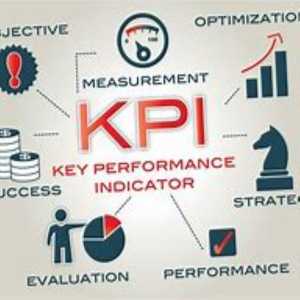
6. Track Key Financial Metrics
Monitoring performance indicators helps you make data-informed decisions.
Essential Metrics:
- Gross profit margin: Measures production efficiency.
- Net profit margin: Shows overall profitability.
- Customer acquisition cost (CAC): Helps determine marketing efficiency.
- Lifetime value (LTV): Indicates how much revenue a customer brings in over time.
- Debt-to-equity ratio: Helps assess financial leverage and risk.
Use dashboards or tools like LivePlan, FreshBooks, or Zoho Books for tracking.
7. Build an Emergency Fund
An emergency fund provides a buffer for unexpected events like supply chain disruptions or revenue drops.
Best Practices:
- Target: 3–6 months of fixed operating expenses.
- Build gradually: Allocate a percentage of monthly profit.
- Keep it liquid: Use a business savings account or money market fund for quick access.
This fund can be the difference between shutting down or pivoting successfully during a crisis.
8. Manage Debt Responsibly
Debt can be a useful tool for growth—but unmanaged debt leads to financial strain.
Tips:
- Avoid high-interest loans unless absolutely necessary.
- Consolidate debts to lower interest rates and simplify repayment.
- Use debt strategically: for expanding operations, not covering day-to-day expenses.
Always weigh the cost of borrowing against expected ROI.
9. Tax Planning and Compliance
Taxes are one of the most overlooked yet critical components of financial planning.
Action Steps:
- Hire a qualified accountant or tax advisor.
- Know your deadlines: income tax, sales tax, payroll tax, etc.
- Track deductible expenses like office supplies, business travel, and professional services.
Strategic tax planning can save your business thousands of dollars annually.
10. Plan for Growth
Once you have a solid financial foundation, you can begin planning for sustainable growth.
Consider:
- When and how to reinvest profits
- Scaling operations without overextending
- Diversifying revenue streams through new products, markets, or services
Develop a growth strategy backed by sound financial projections and realistic timelines.
11. Leverage Technology for Efficiency
Modern financial tools reduce manual errors and give you real-time insight into your finances.
Recommended Tools:
- Accounting: QuickBooks, Wave, Xero
- Cash flow forecasting: Fathom, Dryrun
- Payroll and HR: Gusto, Paychex
- Expense tracking: Expensify, Divvy
Automation frees up time so you can focus on higher-value business activities.
Financial planning isn’t just a one-time task—it’s a continuous process. For small businesses, it means being proactive instead of reactive, strategic instead of short-sighted.
With a solid financial plan, small business owners gain clarity, confidence, and control over their future. In a world of uncertainty, strong financial management is one of the few things you can rely on
Author Bio
Contributor comprises full-time and freelance writers that form an integral part of the Editorial team of Hubslides working on different stages of content writing and publishing with overall goals of enriching the readers' knowledge through research and publishing of quality content.
Article Comments
No Comments!
At present there are zero comments on this article.
Why not be the first to make a comment?
Similar Articles
Sponsor
Search Articles

Experts Column
Latest Articles
Featured Articles








Most Popular Articles